
The Complete Guide to Tiny Home Living in Australia: Is It Right for You?
More Australians than ever are rethinking what home really means. With median house prices across our capital cities sitting at nearly $986,000, the traditional path to homeownership has become increasingly out of reach. At the same time, a growing number of Australians are choosing to live differently — smaller, smarter, and more sustainably. Welcome to the world of tiny home living.
Whether you're a first-home buyer priced out of the market, a downsizer craving simplicity, or someone drawn to a more eco-conscious lifestyle, this guide covers everything you need to know about tiny home living in Australia — and how to decide if it's the right move for you.

What Is a Tiny Home?
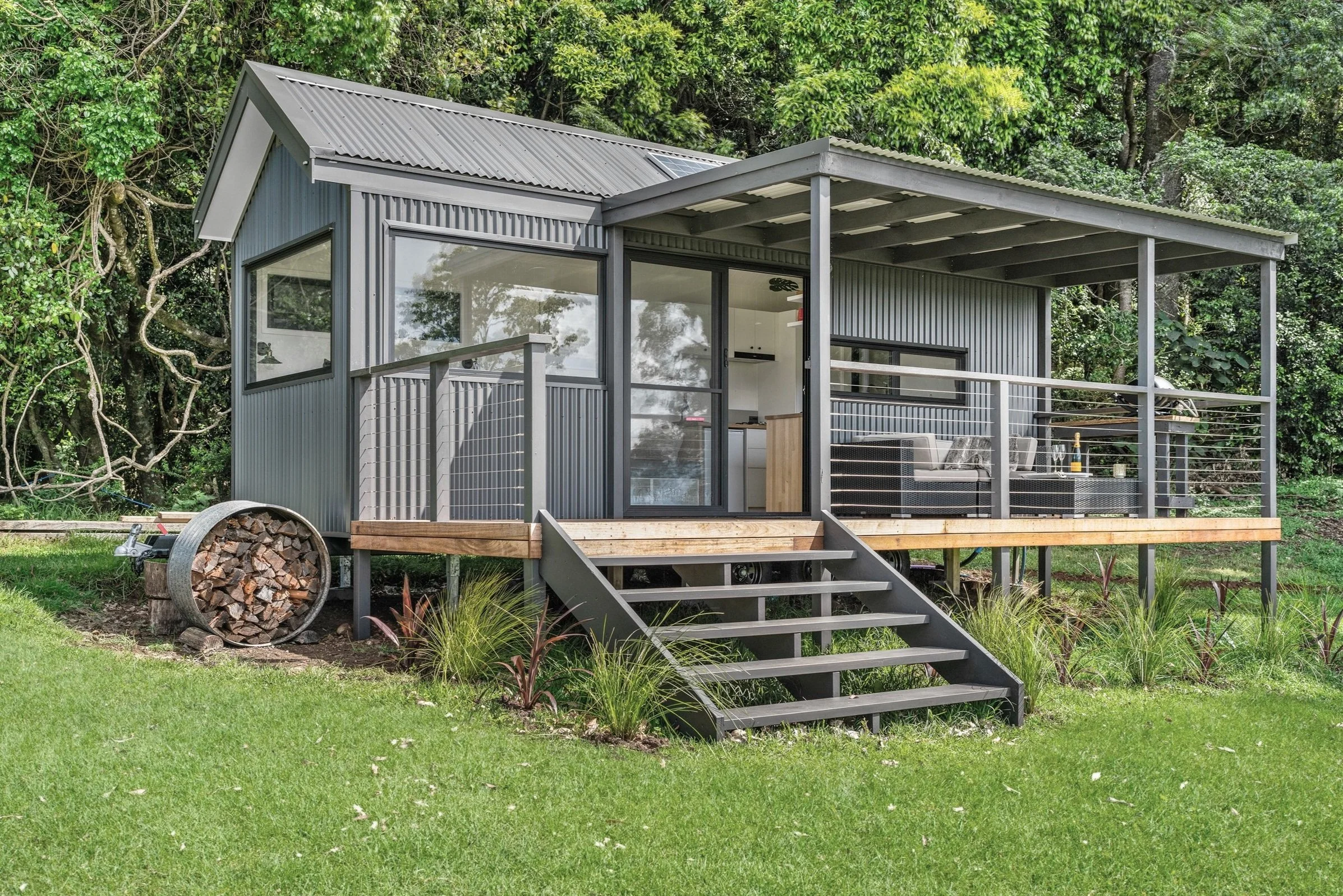
A tiny home is a compact, purpose-built dwelling — typically under 50 square metres — designed to maximise every inch of space without sacrificing comfort or style. In Australia, they generally fall into two categories:
Tiny Houses on Wheels (THOW): Registered as vehicles, these offer flexibility and mobility, and are increasingly recognised by local councils across the country
Modular Homes: Prefabricated structures built off-site and installed on a fixed foundation, often with permanent council approval
Both options offer a high-quality, low-footprint alternative to traditional housing. You can explore the full range of options — from tiny houses to modular homes — in the Designer Eco Tiny Homes catalogue.
Why Are More Australians Choosing Tiny Home Living?
The Australian housing crisis is real. In 2024–25, an estimated 1.26 million low-income households were in housing stress, spending more than 30% of their disposable income on housing costs. The National Housing Supply and Affordability Council reported that 50% of median household income was needed just to service the average new mortgage.

Against this backdrop, tiny homes are growing in appeal — and fast. The Australian tiny home market has seen a 120% increase in sales over the past five years, and the sector is projected to grow at a CAGR of 6.1% through to 2030.
Here's what's driving the shift:
Affordability: Tiny homes typically cost a fraction of a conventional house — often between $80,000 and $200,000 — making ownership accessible again
Sustainability: Smaller footprints mean less energy use, less waste, and a lighter impact on the environment
Flexibility: Many tiny homes can be relocated, giving owners freedom that a traditional mortgage simply cannot
Simplicity: The minimalist lifestyle that comes with downsizing resonates deeply with people burnt out on 'stuff'
Community: Tiny home villages and eco communities are sprouting up across Australia, creating tight-knit, values-aligned neighbourhoods
Read more about our Frequently Asked Questions here.
The Eco Tiny Home Difference
Not all tiny homes are created equal. Eco tiny homes take sustainable living a step further — incorporating energy-efficient design, low-impact materials, and off-grid capability where possible. At Designer Eco Tiny Homes, every build is designed with both liveability and environmental responsibility in mind.
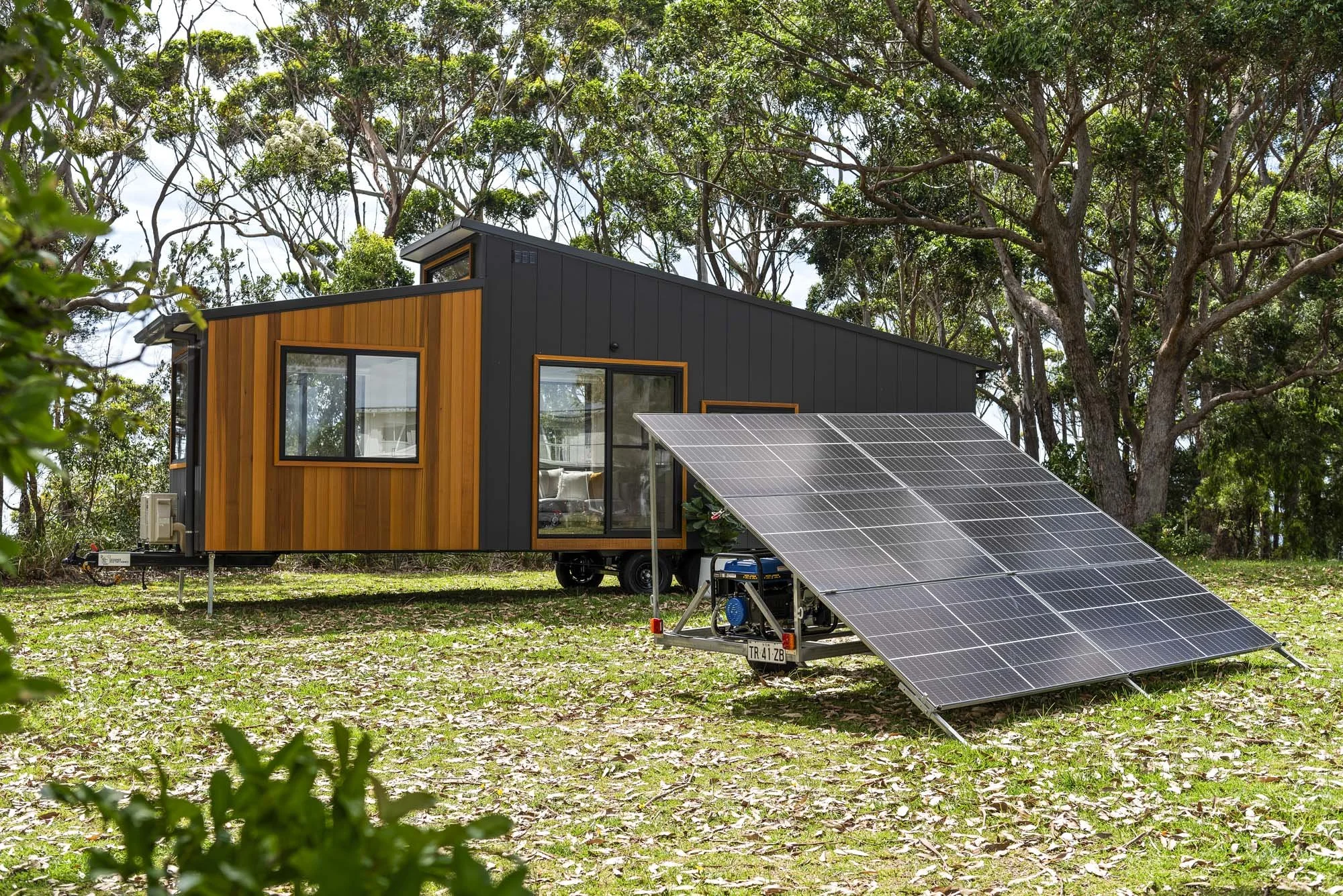
Common features of eco tiny homes include:
Solar panels and battery storage
Rainwater collection and greywater systems
High-performance insulation and passive solar design
Recycled or sustainably sourced building materials
Low-VOC finishes and natural ventilation
These features don't just reduce your environmental footprint — they significantly cut your ongoing living costs, too.
Is Tiny Home Living Right for You?
Tiny home living is a genuine lifestyle shift, and it's worth thinking it through honestly. Here are the key questions to ask yourself:
Who Does It Suit Best?
Singles and couples who don't need large amounts of separate space
Downsizers ready to trade square metres for financial freedom
First-home buyers who want to enter the property market without crippling debt
Remote workers with flexible location needs
Environmentally conscious individuals looking to reduce their impact
Things to Consider:
Storage: You'll need to adopt a more intentional approach to possessions
Zoning and council approval: As our homes are technically caravans, zoning rules and regulations can mostly be avoided, but it will depend on the use of the tiny home and your council
Land: You'll need somewhere to put your home, whether that's your own block, a leased site, or a tiny home community
Finance: Traditional home loans don't always apply, but we offer financing options
For answers to common questions, the Designer Eco Tiny Homes FAQs page is a great starting point. And if financing is a concern, there are dedicated tiny home finance options worth exploring.
Your Pathway to Tiny Home Ownership
If you're ready to take the next step, here's a simple overview of how the journey typically looks:
1. Browse designs: Start by exploring the full range of homes to get a feel for sizing, layout, and pricing
2. Choose your path: Decide between a ready-to-go design, a custom or DIY build, or a tailored design package
3. Sort your land: Identify your site and check local zoning rules — the council approval guide can help you understand what's involved
4. Arrange finance: Review your finance options early — many buyers are surprised by how accessible tiny home financing can be
5. Plan delivery: Once your build is confirmed, the delivery and installation team takes care of the logistics
Ready to Find Your Tiny Home?
Designer Eco Tiny Homes has been helping Australians make the move to tiny living since 2016. With a range spanning compact 4.8m tiny homes right through to spacious 9.6m models, along with one-bedroom and two-bedroom modular options, there's something for every lifestyle and budget. The team brings genuine expertise, transparent pricing, and a shared passion for sustainable Australian living.

Whether you're just starting to explore the idea or ready to get serious, we'd love to help.
Enquire with the team today — no pressure, just good conversation.